

eco de la isla
by André Robert
in development
original title Eco de la isla
international title Echo of the island
genre Creative documentary
length 100’
language Spanish
countries Spain, Costa Rica
shooting location Cocos Island, Costa Rica
status Early development
director André Robert
writer María José Merino
production companies Malcriada Films
presented at
Emerging Producers 2027
keywords
mental health, non-human intelligence, psychological isolation, environmental degradation, narco-trafficking, illegal fishing, ocean conservation
logline
In the middle of the Pacific Ocean, a group of park rangers risk their lives to protect Cocos Island, a mythical sanctuary filled with stories of pirates and hidden treasures, from illegal fishing and narco trafficking. But as isolation deepens, strange lights appear in the sky, and the island’s echo begins to reveal the psychological cost of guarding paradise.
ABOUT
THE PROJECT
A mythical island at the edge of the world
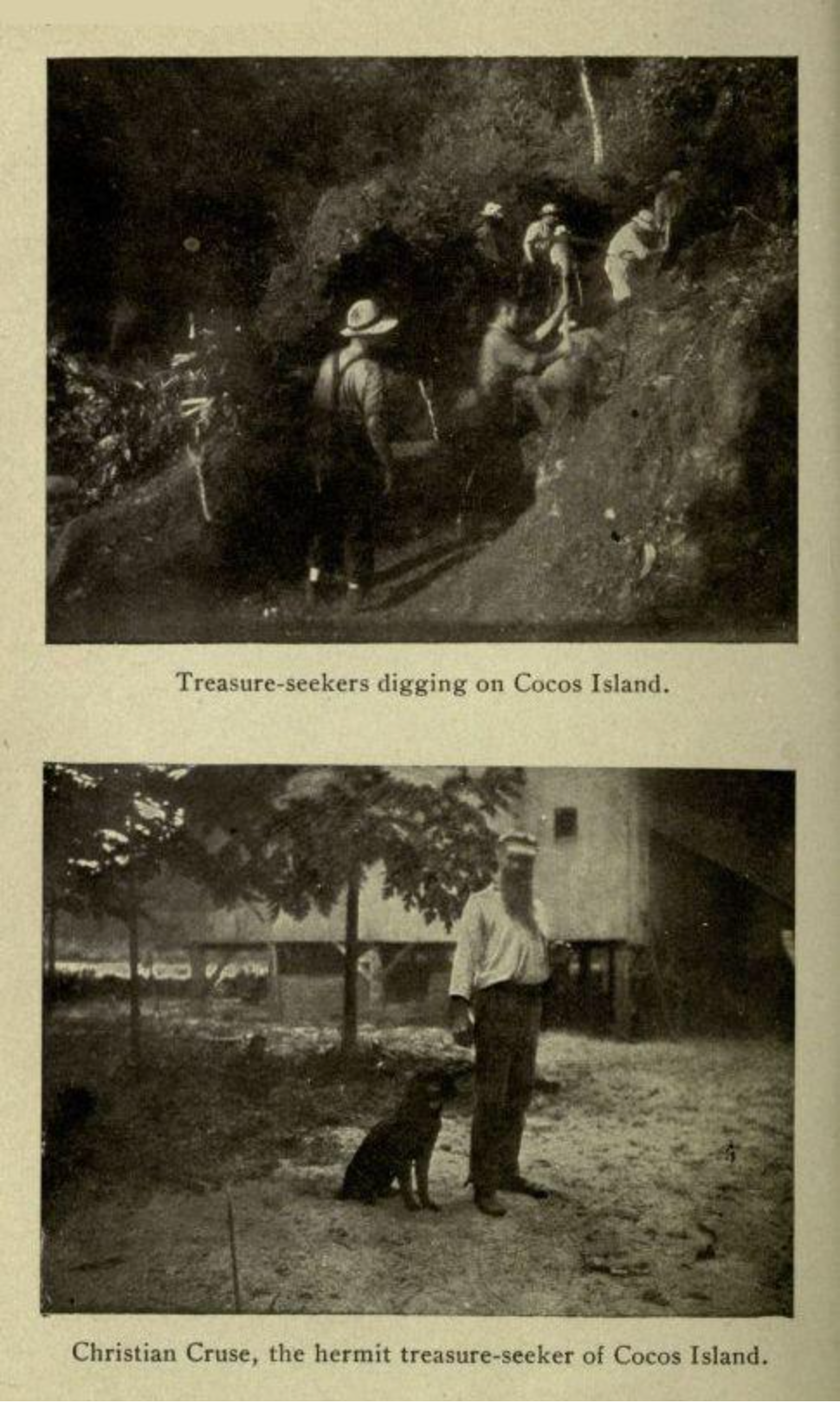
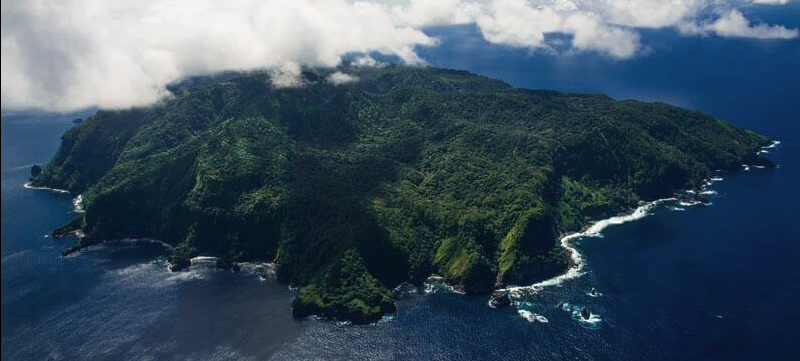
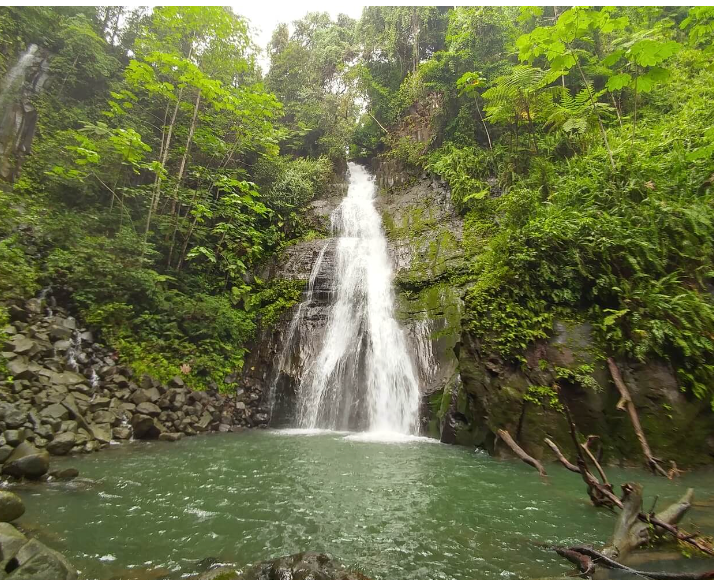
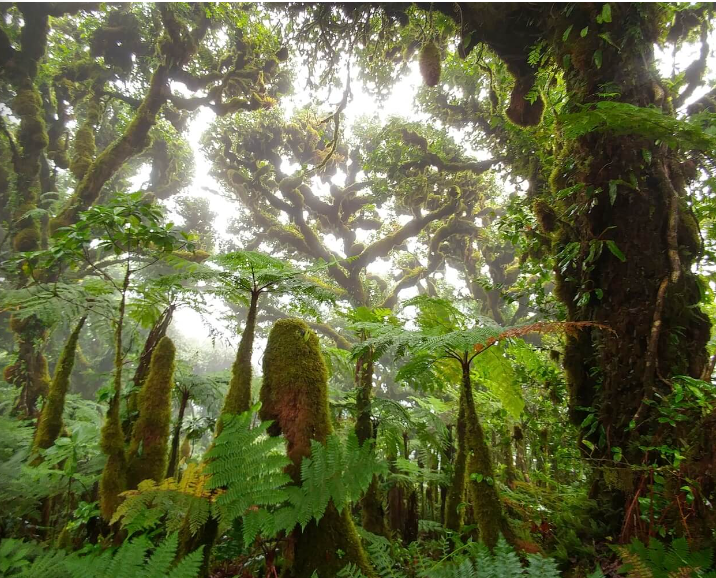
Rising abruptly from the Pacific Ocean, over 500 kilometres from mainland Costa Rica, Cocos Island occupies a place somewhere between geography and mythology. Jacques Cousteau famously described it as "the most beautiful island in the world," while its dense rainforest, towering waterfalls and surrounding waters later inspired the fictional Isla Nublar in Jurassic Park. Long before becoming a symbol of conservation, however, the island served as one of the few reliable fresh water refuges in the Eastern Pacific. Pirates, corsairs, whalers, treasure hunters and scientific expeditions all passed through its bays, leaving behind stories that continue to shape its identity today.
The island's importance extends far beyond its legends. In 1869, during a government-sponsored treasure expedition, the Costa Rican flag was raised on Cocos Island for the first time, formally incorporating the territory into the country's national imagination. Later attempts to establish permanent settlements—including an agricultural colony and a penal settlement—ultimately failed, leaving the island largely untouched by human development. In 1978, Cocos Island was declared a National Park, and in the decades that followed it became a UNESCO World Heritage Site and one of the world's most important marine protected areas.
Today, despite covering only 24 square kilometres of land, Cocos Island safeguards an Exclusive Economic Zone of more than 290,000 square kilometres, making it one of Costa Rica's most strategically important territories. A small group of park rangers rotates through month-long shifts, living in near-complete isolation while protecting one of the richest marine ecosystems on Earth. Working with limited resources, they face increasing pressure from illegal fishing fleets, international drug trafficking routes and the psychological demands of prolonged separation from family and ordinary life back in the mainland.
Current stage of the project
Echo of the Island is an observational hybrid documentary exploring the lives of the men and women who have dedicated themselves to protecting one of the most isolated territories on Earth. Grounded in long-term observation, the film follows the daily routines of Cocos Island's park rangers while gradually opening towards the myths, beliefs and anomalous phenomena that interacts with the island. Without seeking to explain or verify them, the film approaches these stories as a way of understanding the psychological effects of isolation and asks a simple but urgent question: what if humanity has forgotten how to listen to the Earth?
The project is currently in early development. Research is underway through interviews with current and former park rangers, scientists and collaborators connected to Cocos Island, while the project's narrative and cinematic language continue to evolve. A first research expedition to the island is planned for 2027 as the foundation of a long-term observational process. We are currently seeking development funding and international co-production partners interested in supporting an ambitious hybrid documentary that brings together environmental cinema, contemporary mythology and intimate human observation.
for project enquiries
andre@malcriadafilms.com